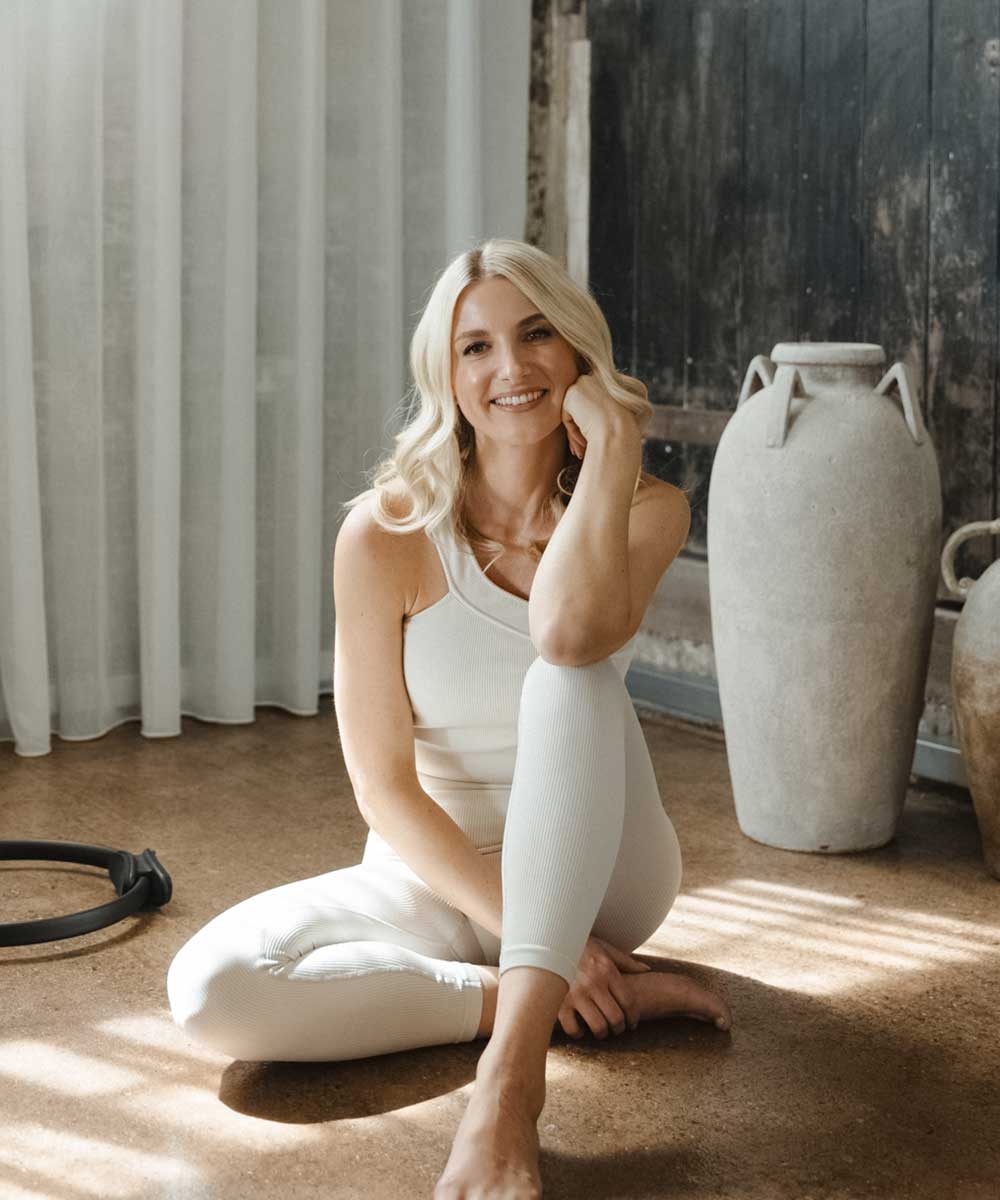
You have practised Pilates for over a decade, and trained as a comprehensive classical teacher with Amy Kellow in the lineage of Jay Grimes. What drew you in, and what has kept you here?
Like so many people, I came to Pilates simply wanting to feel better in my body. What surprised me early on wasn't just strength or flexibility, but the quality of attention it asked of me.
In classical Pilates, you cannot rush through the movements while thinking about your to-do list. The springs, the rhythm and the precision ask you to be present. After an hour in the studio, your mind has had a genuine reset, and your spine feels taller and lighter. More than ten years on, the work still challenges me every week. It isn't a trend you outgrow; it is a discipline you grow into.
What was the spark behind opening Coconut? What kind of space did you want to create?
I wanted to create somewhere unhurried.
So much of exercise culture is loud, competitive, or built around exhaustion — the idea that a session only counts if you can barely walk the next day. Classical Pilates was never meant to work that way. Joseph Pilates designed it to restore vitality, organise the spine, and leave you with energy for everyday life.
I wanted a studio that felt calm the moment you stepped through the door. Our home on the Thorpe Estate offers exactly that: natural light, quiet grounds and space to breathe. We cap our apparatus classes at five so nobody is ever lost in a crowd. When a teacher can watch every breath, every foot placement and every spring setting, you feel properly looked after.
It isn't a trend you outgrow; it is a discipline you grow into.
People often hear about the reformer first, but the studio holds towers, chairs, barrels and the mat. How do they work together?
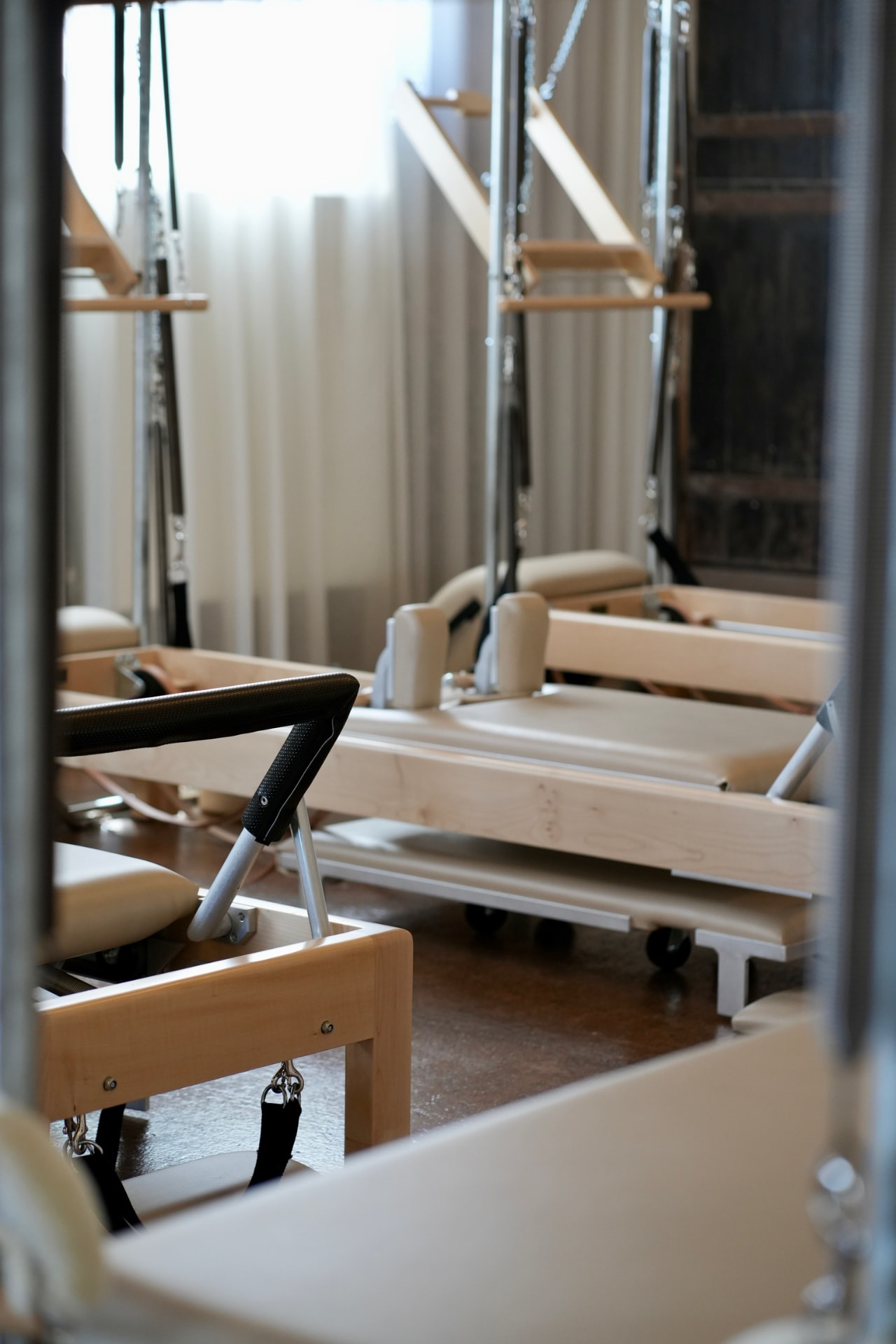
The apparatus is really one connected system. Each piece has its own conversation with the body.
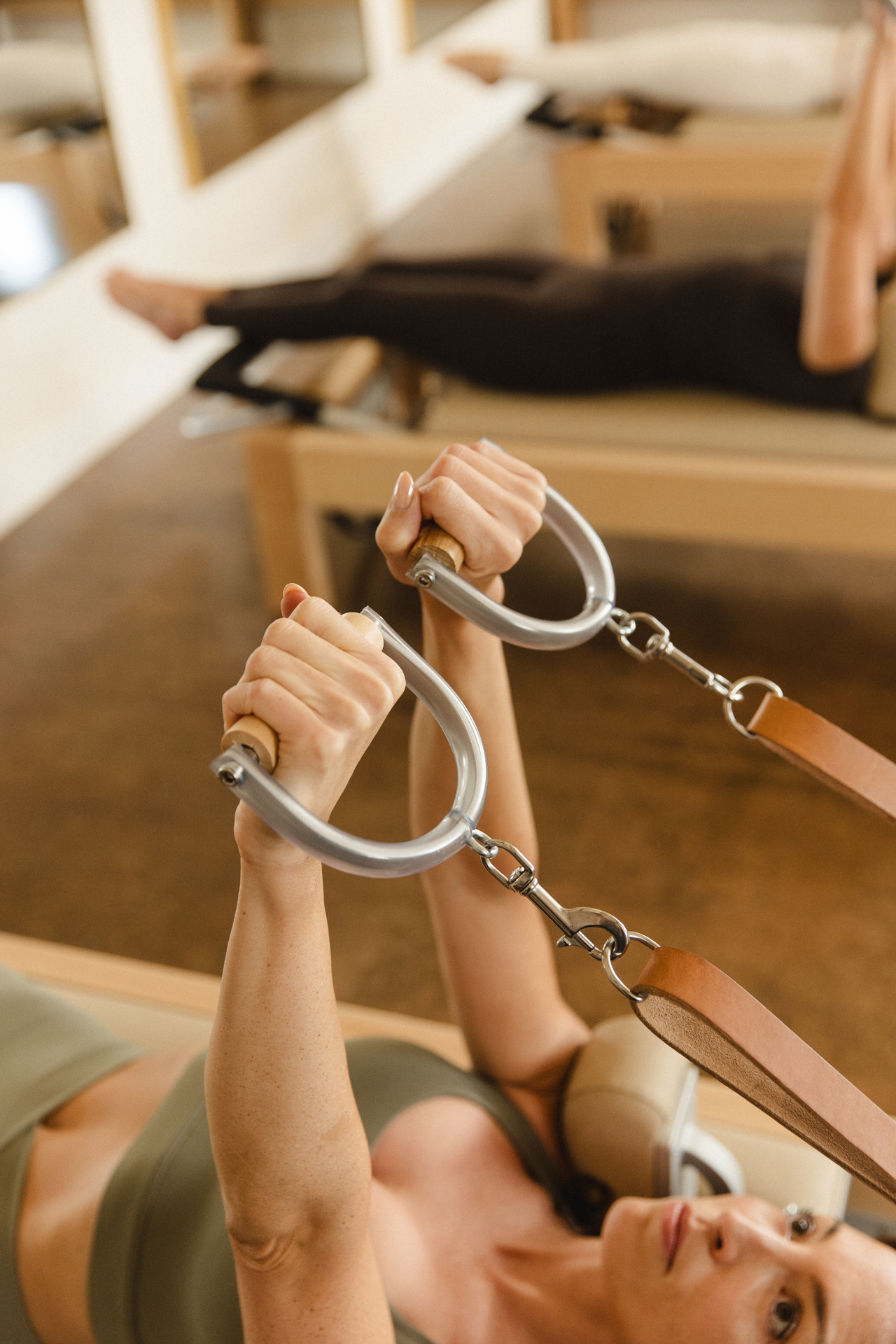
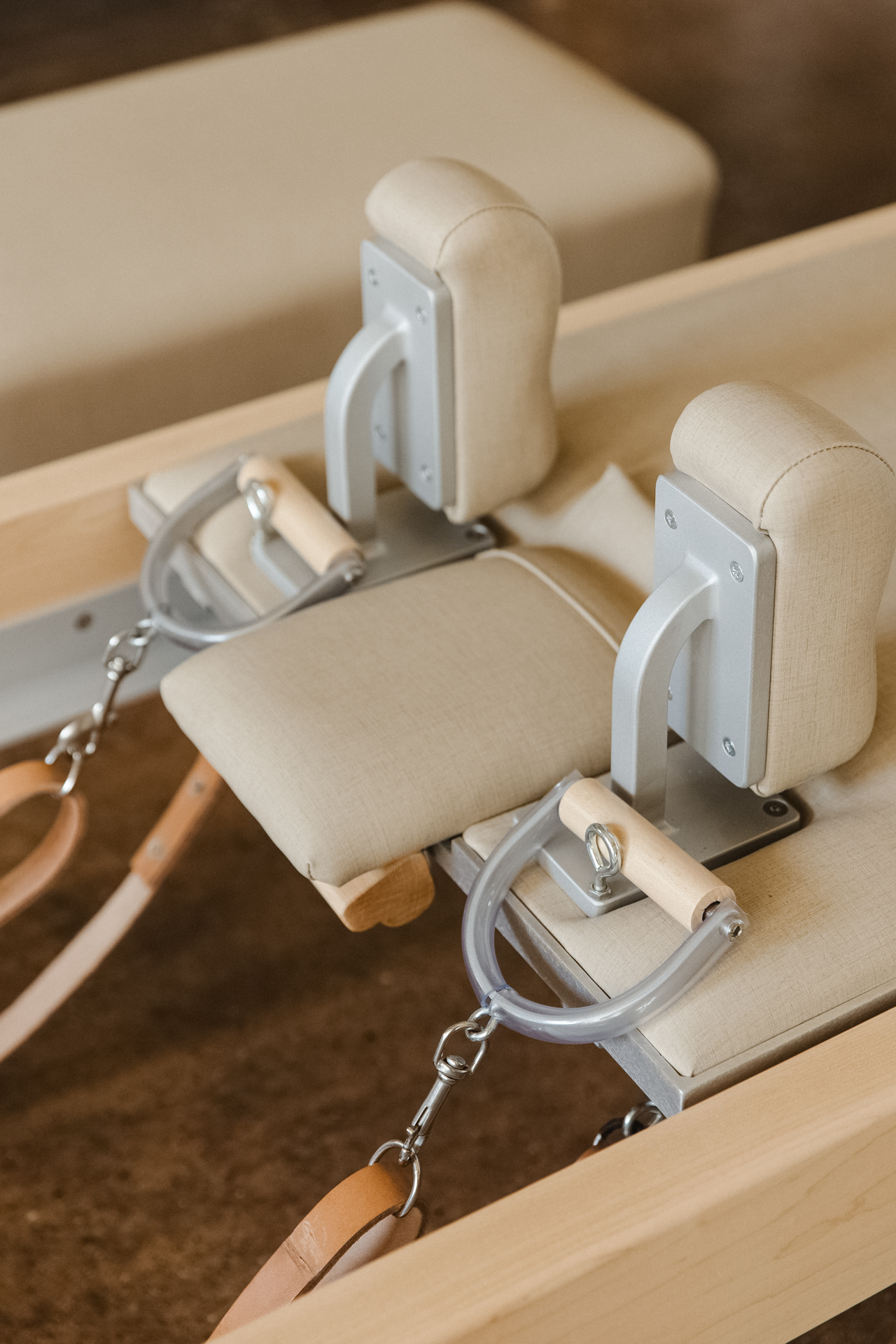
The reformer is wonderful for alignment and rhythm — it supports you while asking for deep abdominal control. Then you might step onto the Wunda Chair, which challenges your balance against gravity, or work on the Cadillac and tower to open tight shoulders and lengthen the spine. And the mat is the real test, because there are no springs to help — just you and gravity.
We don't treat the equipment as separate novelties. We use the whole system to give each person what their body needs on that particular day.
Walking into an apparatus studio for the first time can feel daunting. What would you say to someone who is nervous?
Nobody is expected to know how anything works before they arrive. You don't need to be flexible, you don't need to be strong, and you don't need any experience. That is our job.
That is why we encourage everyone to begin with an Introduction. It gives you unhurried time with a teacher to explore the studio, talk about your body and any history of injury or tension, and feel the apparatus under your hands and feet.
There is no judgement here. Whether you are recovering after having a baby, managing years of desk stiffness, or coming back to movement after a long time away, the studio is simply a place to start from wherever you are today.
Coconut's headline is "A practice that lasts a lifetime." What does that mean to you?
It means we are not interested in quick fixes or six-week transformations. We are interested in how you move at forty, sixty and eighty.
When you learn to move with good alignment, honest core support and an open spine, it gives you freedom outside the studio — lifting your children, walking up hills, sitting without ache.
If you can build a practice that feels good, grounded and sustainable, it becomes something you look forward to returning to for the rest of your life.